What is an Air Cooler?
An air cooler is a type of device or system used to lower the temperature of a room or equipment. It works by passing hot air through it, cooling the air, and then releasing it outside while bringing cool air inside. These systems are called air coolers and are used primarily to ensure more comfortable and efficient operation of indoor spaces or equipment in hot weather conditions.
The hot air inside is drawn into the device with the help of a fan or blower. The hot air is then cooled by a cooling substance (usually a type of cooling gas or liquid). The cooled air is then blown into the device or space, reducing the temperature. The heated cooling substance is expelled outside for further cooling and preparation for the process to repeat.
Air coolers are used in homes, offices, cars, industrial facilities, and various other applications. They come in different types and sizes. For example, there are window-type air coolers, portable air coolers, and central air conditioning systems, among other options.
What Are the Types of Air Coolers?
Air coolers come in various types based on their working principles and usage areas. Here are some of the best air coolers and their types listed below.
- Evaporative Air Coolers (Swamp Coolers): This type of coolers draws in hot air and cools it using water vapor. As hot air passes over water-filled surfaces, the water evaporates, causing the air to cool. Evaporative air coolers can be particularly effective in areas with low humidity.
- Window-Type Air Coolers: Used in homes or small offices, these coolers are mounted on windows and draw in hot air from outside to cool it. The cooled air is distributed indoors with the help of internal blowers.
- Air Purifier and Cooler Devices are multi-functional devices designed to both clean and cool indoor air. These devices are used to improve indoor comfort, enhance air quality, and provide energy savings, especially in hot weather conditions. Air purifier and cooler devices can be preferred for increasing indoor comfort, improving air quality, and conserving energy. Your choice of model may vary depending on factors such as the size of your space, climate conditions, and your budget.
- Central Air Conditioning Systems: Central air conditioning systems used in large buildings, shopping centers, and industrial facilities generally draw in air to a central unit, cool it, and then distribute it to different zones within the buildings.
- Ionizer Air Coolers: Ionizer air coolers are designed to clean and enhance the quality of air by using ionization technology to reduce airborne particles (such as dust, pollen, bacteria), and some chemical pollutants. Ionizer air coolers can help keep indoor air fresh and healthy by reducing pollutants. However, there are some debates about the effectiveness and health benefits of ionizers. The use of ionizers may be more beneficial, especially for individuals with allergies or respiratory problems.
- Variable Refrigerant Flow (VRF) Systems: VRF systems have a central outdoor unit that works with multiple indoor units using heat pump technology for both cooling and heating.
- Evaporative Air Coolers, also known as air cooler fans, have the greatest advantages in terms of energy efficiency and low electricity consumption. Evaporative air coolers use water vapor freezing to make indoor spaces cooler and more comfortable in hot weather conditions. However, their effectiveness may vary depending on the humidity level. They perform better in low humidity areas but may not be as effective in high humidity areas.
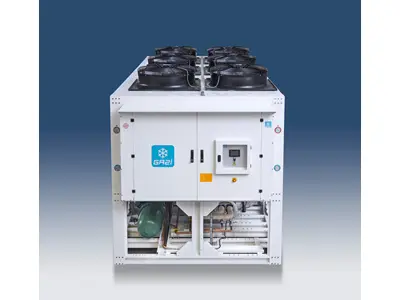
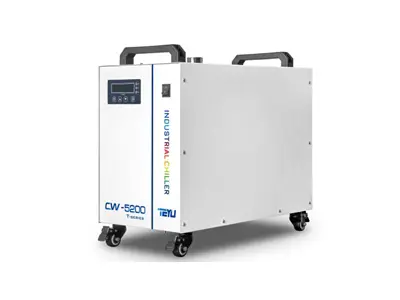
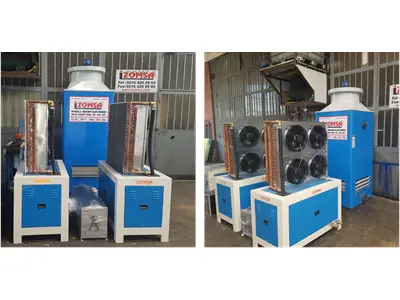
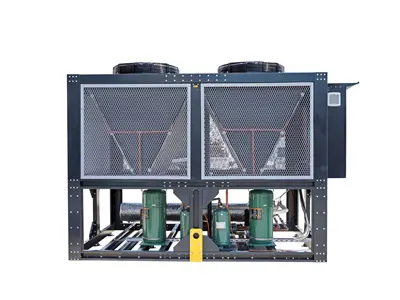
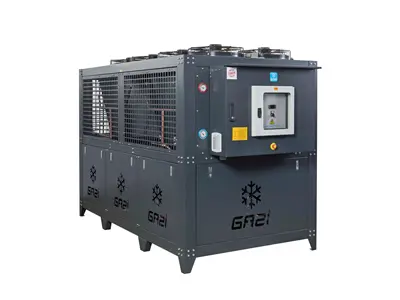
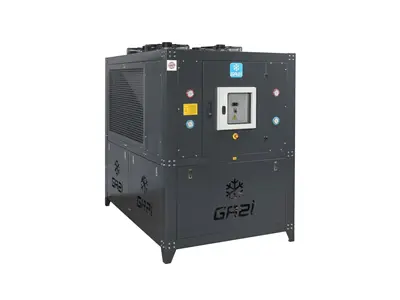
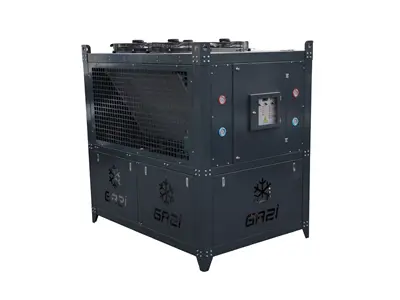
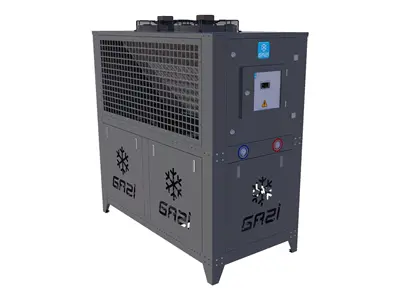
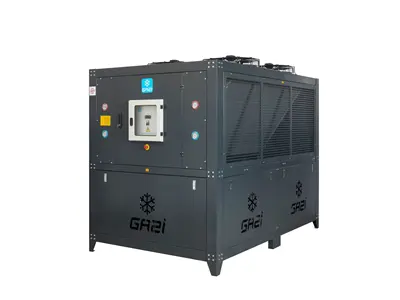
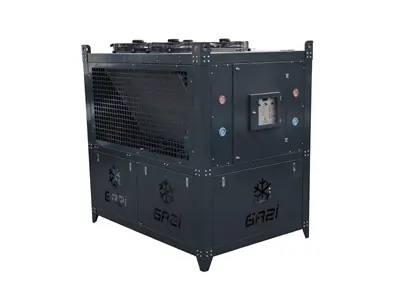
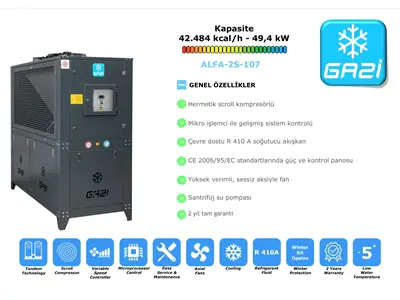
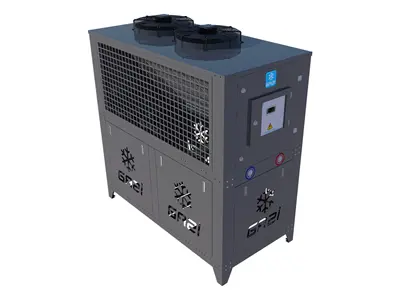
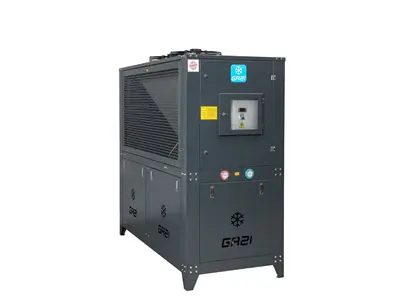
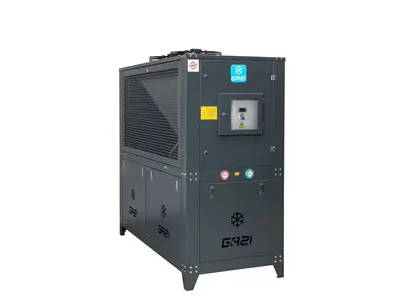
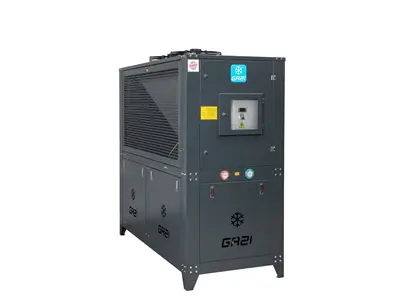
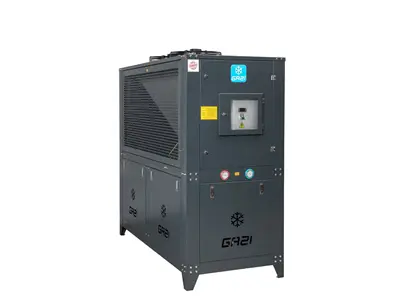
- Chiller Systems: Chiller systems used in large-scale industrial facilities typically operate with water or another cooling liquid to cool spaces or equipment.
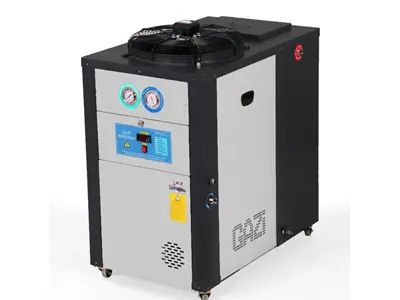
- Portable Air Coolers, as the name suggests, are portable air cooling devices that can be easily moved around, usually used in small spaces like homes or offices. Mini air coolers are also included in this category and are preferred for meeting temporary cooling needs due to their portability and simple setups. Portable air coolers can be effective when used in small rooms or narrow spaces but may not have sufficient capacity to cool large spaces or be used in high humidity environments. When choosing, consider the device's cooling capacity, water tank size, portability, and other features.
- Heat Pumps: Heat pumps are devices that can perform both heating and cooling using a reversible principle. They can transfer heat from the outside to the inside.
- Ice Air Coolers are a type of portable air coolers. These coolers use the freezing properties of water to cool, making them energy-efficient due to the freezing of water vapor. However, the icing process may take time, and you may need to pre-freeze the water to freeze the ice packs.
- The price of air coolers varies significantly depending on the brand, model, features, and capacity of the device. Additionally, regional factors, sales periods, and store policies can also affect prices. In general, larger capacity and more advanced feature air coolers may have higher air cooler prices. At the same time, portable and smaller models may be more affordable.
Portable air cooler prices are usually variable. Larger and more advanced models, especially those designed for commercial or industrial use, may be above this price range.
Prices may vary depending on current market conditions, so getting up-to-date price information directly from a manufacturer or seller would be more accurate. Additionally, comparing different brands, models, and stores before making a purchase will help you choose the one that best suits your needs.